Essay · Launch post reviewed 2026-10-08
What Google Playground changes about AI game creation
On 7 October 2026 Google shipped Playground, an experimental way to describe a game and play it in the browser. The interesting part is not a winner. It is that prompt-to-game is now a category, and a category needs more than a single blank prompt.
What Google actually launched
Playground is a browser platform. You type the game you want, with no coding required. You can start from a blank canvas, remix a starter prompt, or use guided support, then test it immediately. Google's post says you can ask to change the physics, the rules, the characters or the environment. When you are done, the game can stay private, go out as a link, or be published to the Explore gallery.
The social layer is part of the product, not an afterthought. The gallery uses ratings and play activity. Players get Play Games profiles, follows, leaderboards, and multiplayer in select genres. The launch is for users in the U.S. who are 18 or older, at playground.google, with creation access tiered by a Google AI subscription. Unity Spark — professional mechanics and high-fidelity 3D, on the Unity runtime — is in testing, with a closed beta described as coming soon. It is not something you can open today.
Prompt-to-game is no longer a demo
For a few years, describing a game and receiving code was a trick you showed a friend. Google putting it next to a public gallery changes the expectation. A creator can now assume that 'type it and play it' is a normal way to start, the way they assume a doc starts in a browser.
That does not make every result a game you would ship. A prompt is good at a first scene and a surprising rule. It is unreliable at the hundredth level of a match-3, the exit order of a parking jam, or the wave curve of a tower defense, unless something in the system already knows those games. Mainstream access and production craft are different problems. Playground is explicit that it is an early experiment. Treat the launch as the start of the category, not the end of the work.
Why a gameplay template still matters
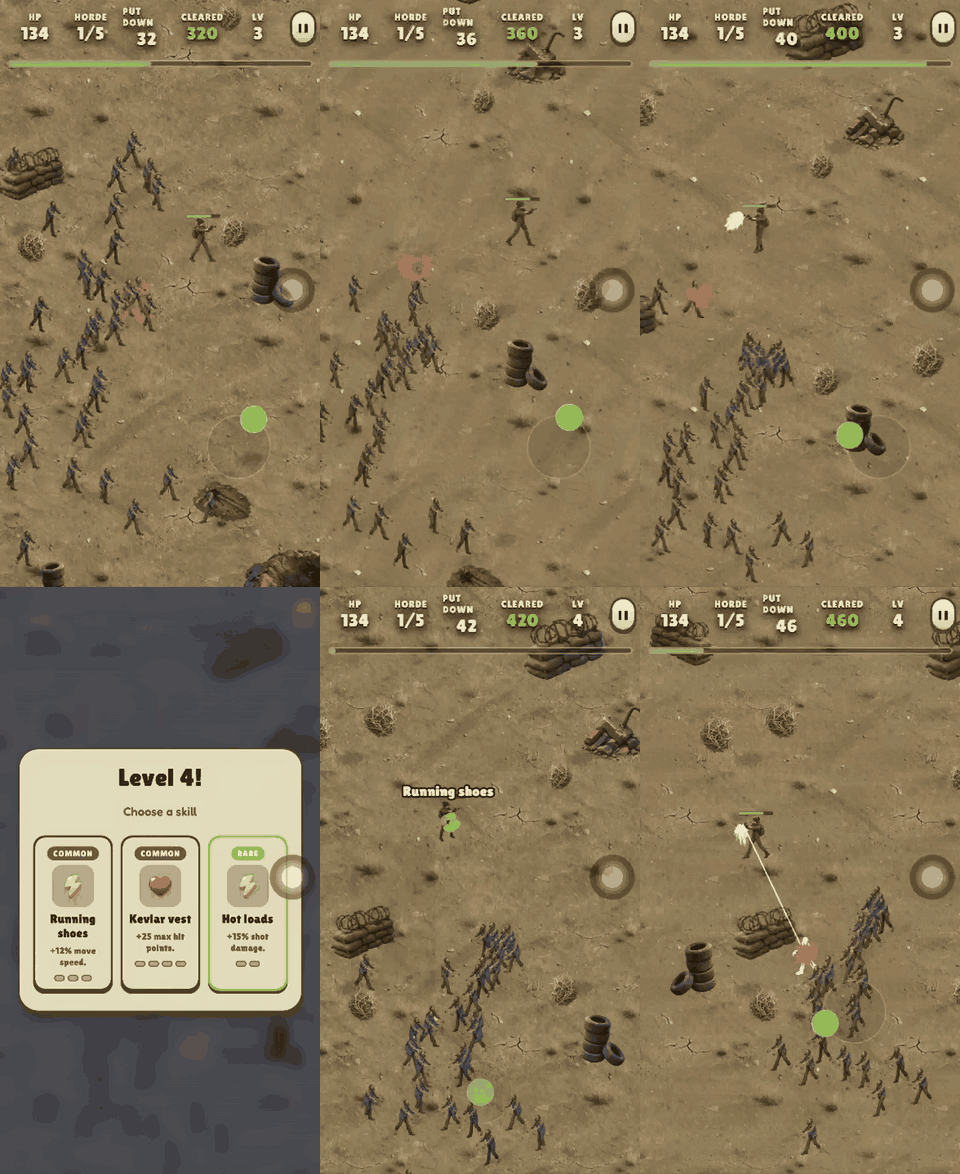
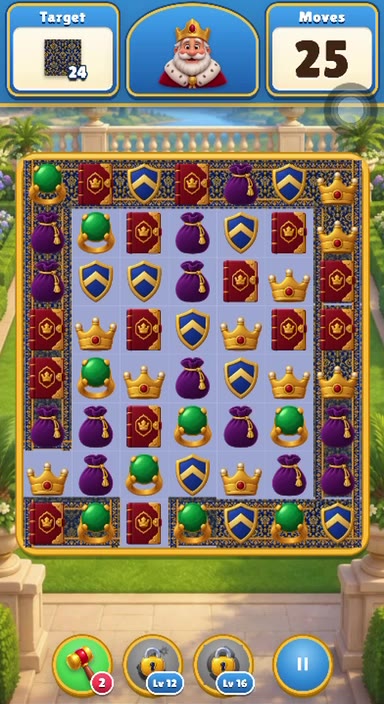
A casual game is a loop with a known shape. Match-3 is swaps, cascades and a goal. Parking jam is an order of moves and a blocked exit. Survivor is automatic fire and a choice when you level up. Players recognize a bad version of those loops immediately, because they have played the good version.
A template is that shape, already playable, which you then theme and tune. It is not a locked skin. On EvonX the castle match-3 and the candy match-3 are the same board after one sentence, "make it candy-themed." The prompt still matters — it picks the loop and the twist — but it is not asked to invent gravity, scoring and a win state from nothing every time.
Playground's launch post describes starter prompts you remix. That is a real on-ramp. It is not the same artifact as a template whose rules you can watch in a recording before you sign up. Both can exist. Creators who already know the genre they want will notice which one they were handed.
What a known loop looks like
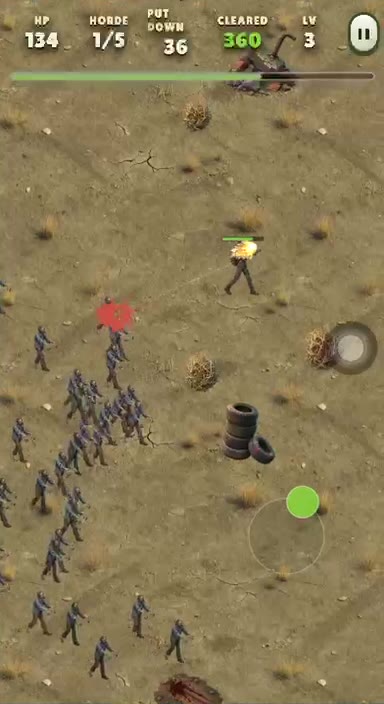
These recordings were made in EvonX. They are here as examples of template gameplay, not as Playground titles.
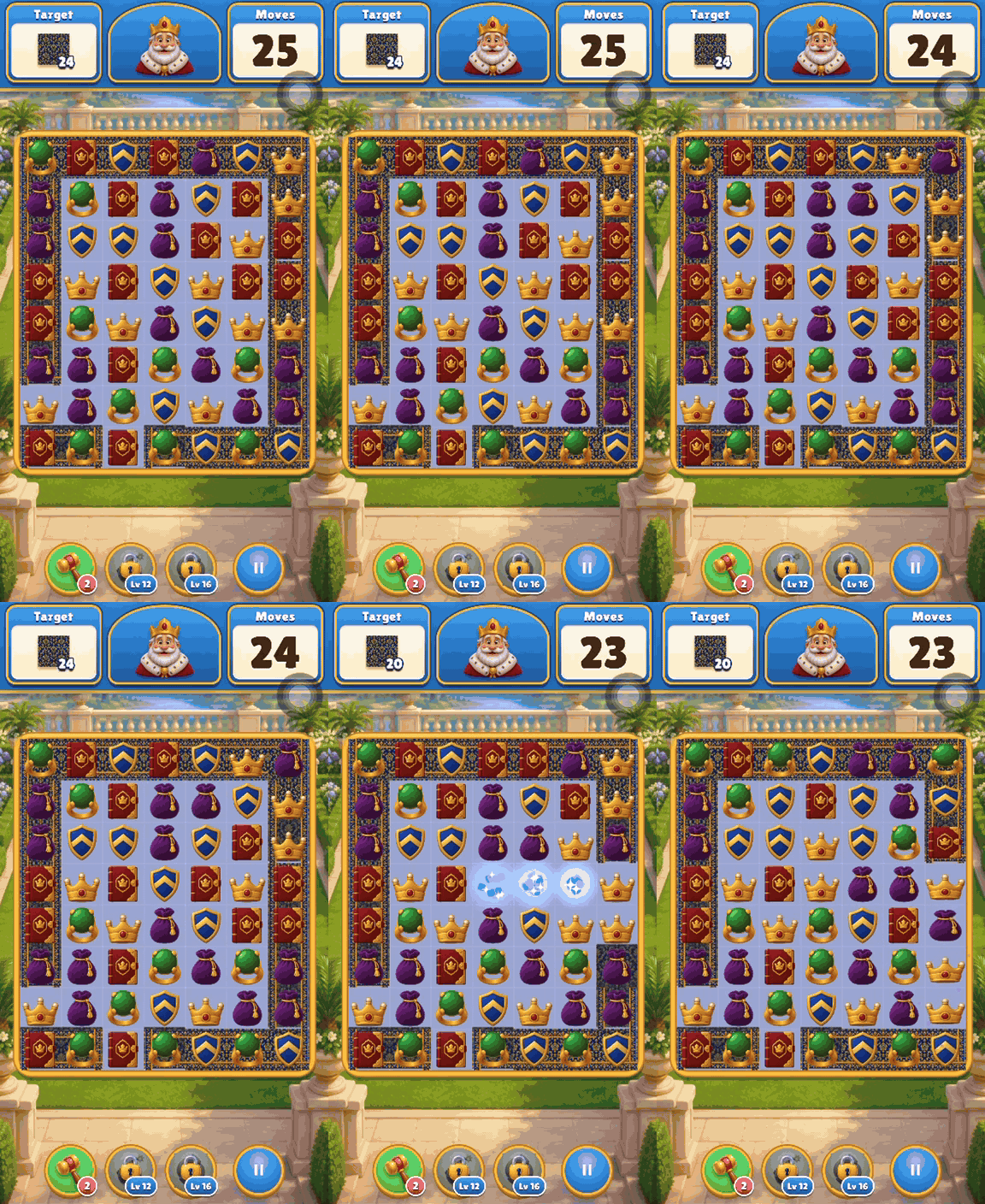
Royal Match-3
“A match-3 game set in a royal medieval castle”
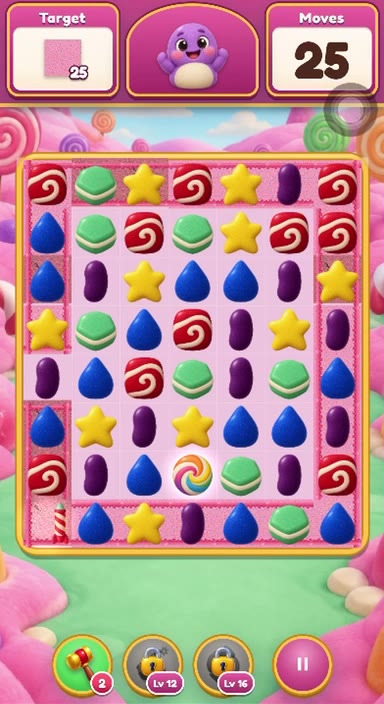
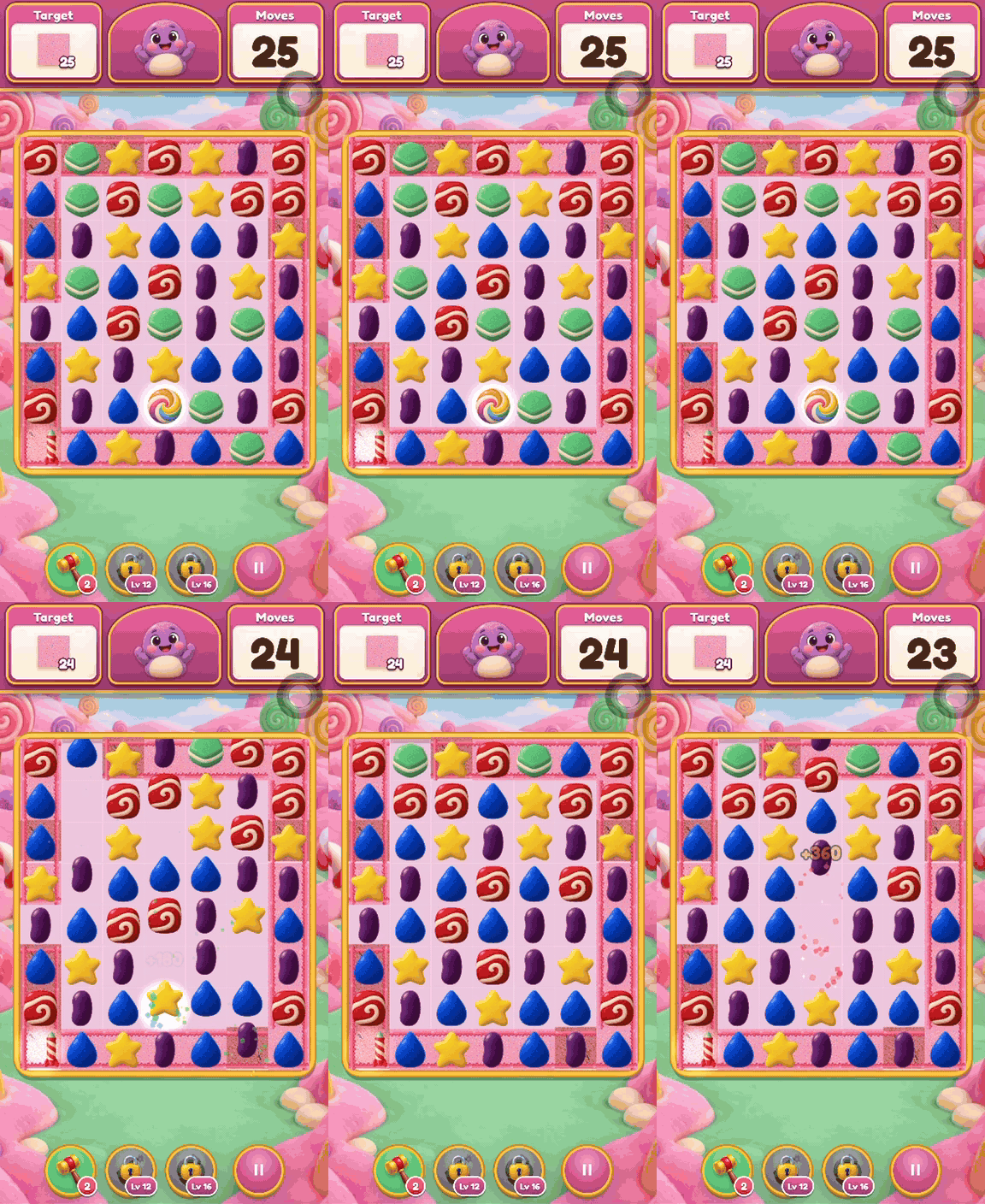
Candy Match-3
“Make it candy-themed”
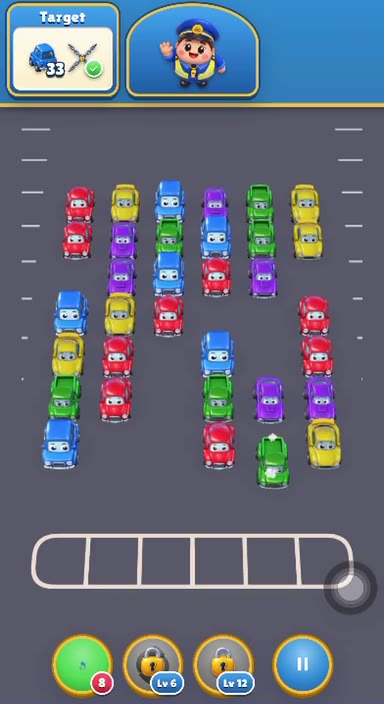
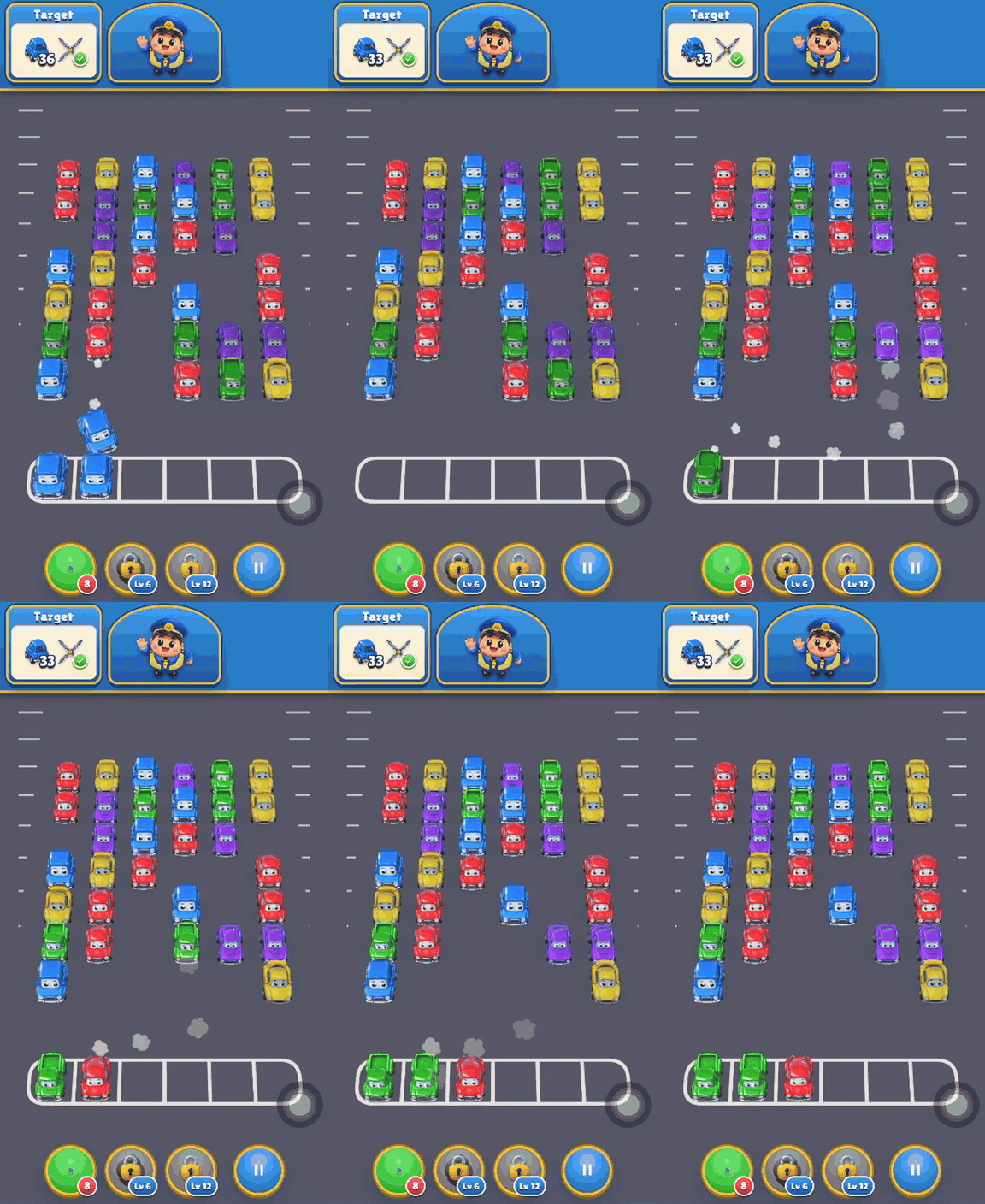
Parking Jam
“A parking jam game where I tap the cars out of the lot”
Zombie Horde
“A zombie survival shooter where I pick a new skill every level”
The workflows now on the table
One workflow is exploration. You prompt, you play, you throw the build away or you post it for friends. Playground is built for that, with a gallery at the end. Rosebud AI sits in a similar space, with its own templates, Three.js worlds, and a path to download the code on higher plans.
Another workflow is a casual game you intend to keep editing. You start from a loop, generate the art and the characters with it, change the rules in chat, reskin it, and eventually share a link. That is the direction EvonX is built for: generate, then design and iterate inside mobile-style games. It is not a claim that the later steps — store packaging, live-ops analytics, a full 3D world — are already in the product. They are not.
A third workflow is the engine. GDevelop and Construct ask you to place the rules yourself, as events. They take longer to a first playable and they give you control a prompt will not. Google entering the category does not make event sheets obsolete. It makes the choice clearer, because you can now see what the prompt path does and does not cover.
Where a creator might go next
You want to try Google's gallery and you are in the launch
→ Open Playground
You want to see a casual loop before you commit
You want to wire every rule
→ Use an engine such as GDevelop or Construct
You are choosing between Playground and EvonX
Where EvonX fits, without a trophy
EvonX is relevant if the game you want is a prompt away from a known loop: the 31 templates, Asset Studio for the art and the characters, a live preview, and natural-language edits including a reskin. The recordings above are the evidence. A slogan is not.
Building, editing and playing in the live preview are free on the Starter plan with no credit card. You can publish a shareable link on Starter too, with the EvonX badge; Plus ($4.99/month), Pro ($19.99/month) and Max ($99.99/month) add more AI credits, and Pro removes the badge. If Playground's multiplayer, its gallery, or the upcoming Unity Spark work is the feature you need, this article should send you there instead. The side-by-side, with sources and a review date, is on /google-playground-alternative.
Questions about the launch
What did Google launch with Playground?
An experimental browser platform, on 7 October 2026, where you create, play and share games from prompts. The initial release is for users in the U.S. who are 18 or older. Unity Spark was announced as a later integration and is not available yet.
Does prompt-to-game replace game engines?
No. It changes how a first playable version gets made. Engines remain the place for custom rules, broad export targets and, in GDevelop's case, multiplayer lobbies. A prompt is a start, not an editor.
Why would I use a gameplay template if I can just describe a game?
Because casual genres have loops players already understand. A template starts you inside that loop. A blank prompt asks the model to invent the loop and the theme at the same time.
Is this article a comparison of Playground and EvonX?
It is the context. The comparison, with a capability table and the limits of both products, is at /google-playground-alternative.
Play one of the loops.
Describe a match-3, a parking jam or a survivor. Preview is free on Starter.
Try EvonX free