We write before we shoot
Every project has a script or a documented interview plan, even a thirty-second spot. Shoot days are expensive, and the cheapest way to save money on them is to decide in advance what the camera will see.
We started in 2016 as two friends with a borrowed camera and a client who ran a barbecue restaurant. Ten years and a hundred and forty films later, the studio is still small enough that the director answers your emails.
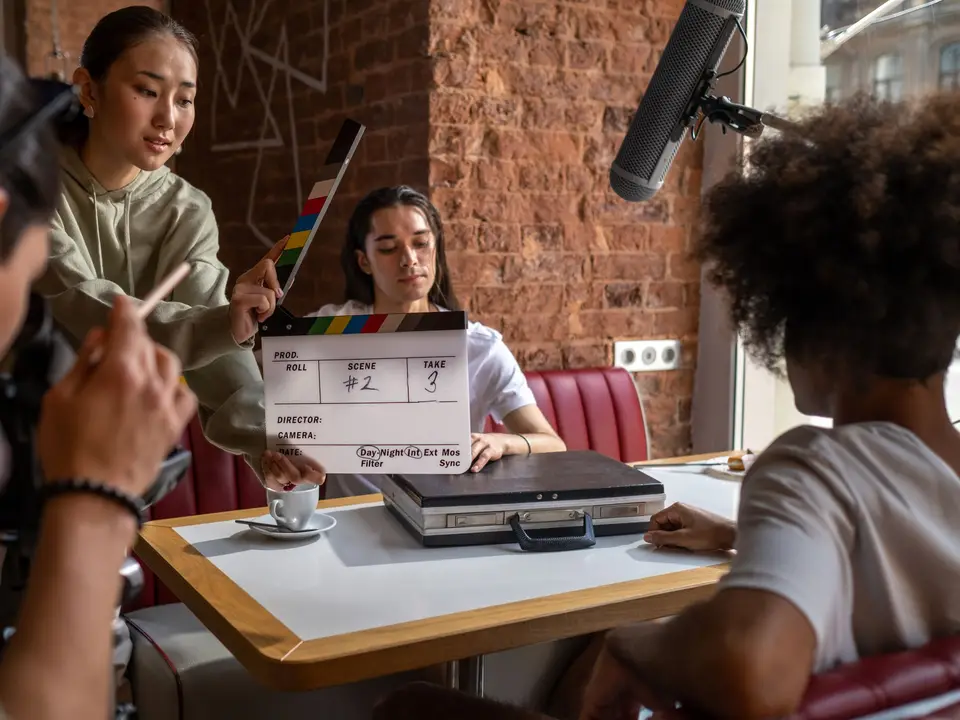
Three habits that explain most of the difference between our films and the ones your competitors commissioned last year.
Every project has a script or a documented interview plan, even a thirty-second spot. Shoot days are expensive, and the cheapest way to save money on them is to decide in advance what the camera will see.
Our director of photography, sound mixer and gaffer have worked together for six years. They finish each other's setups, which buys you an extra hour of useful shooting every day.
You get a quote that lists crew, equipment, locations and revisions. If we run over because of weather or our own schedule, that cost is ours.
A four-minute film about a barbecue restaurant on Memorial Drive, shot over two days and edited in a spare bedroom.
We rented an old print shop on Spring Street, built a sound-treated edit bay and hired our first full-time editor.
The Last Run, about a retired railway crew, aired on two regional stations and travelled to nine film festivals.
A calibrated grading room with a reference monitor let us offer finishing for footage shot by other crews.
Commercials, music videos, patient stories and one very long wedding highlight reel we do not talk about.
A small core team, plus a bench of freelancers we have booked for years.
Thirty minutes, no slide deck. Bring the idea, even if it is only a sentence.