How fast does a torn meadow regrow?
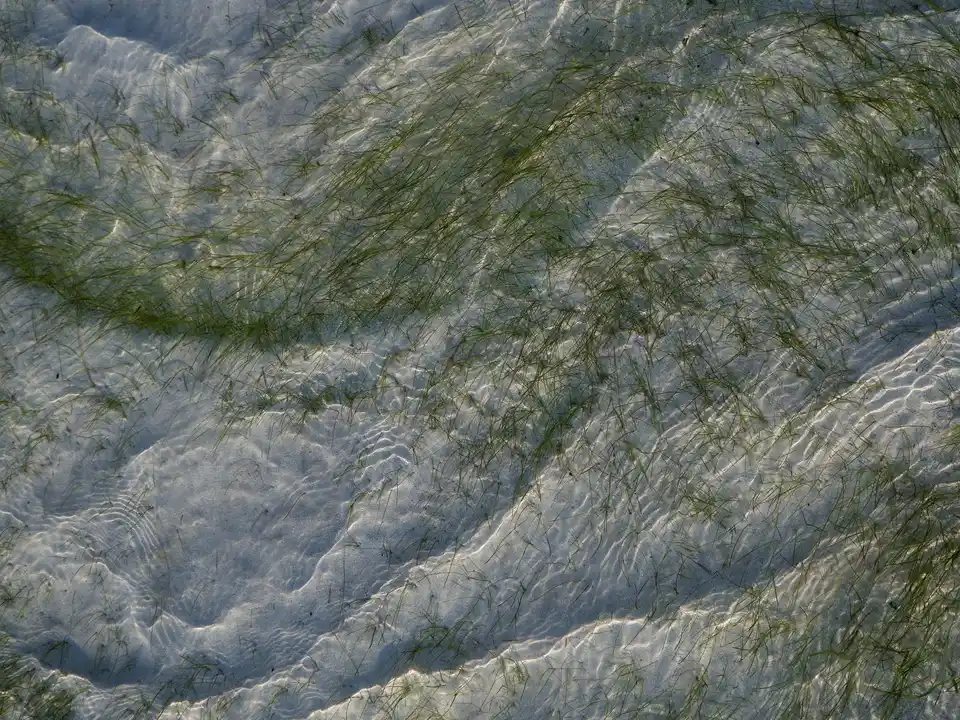
We map scars left by swing moorings in four bays every spring and autumn. Early results suggest a meadow needs eight to twelve years to close a single mooring scar, far longer than licences assume.
I'm Dr Aoife Brennan, lecturer in coastal ecology. My group measures how seagrass and kelp on the west coast of Ireland recover from storms, dredging and boat moorings, and we work with harbour boards to move anchors off the meadows that matter most.
Two funded PhD places open for the coming academic year.

Every project pairs a field season with a partner who can act on the answer: a harbour board, a county council or a fishing cooperative.
We map scars left by swing moorings in four bays every spring and autumn. Early results suggest a meadow needs eight to twelve years to close a single mooring scar, far longer than licences assume.
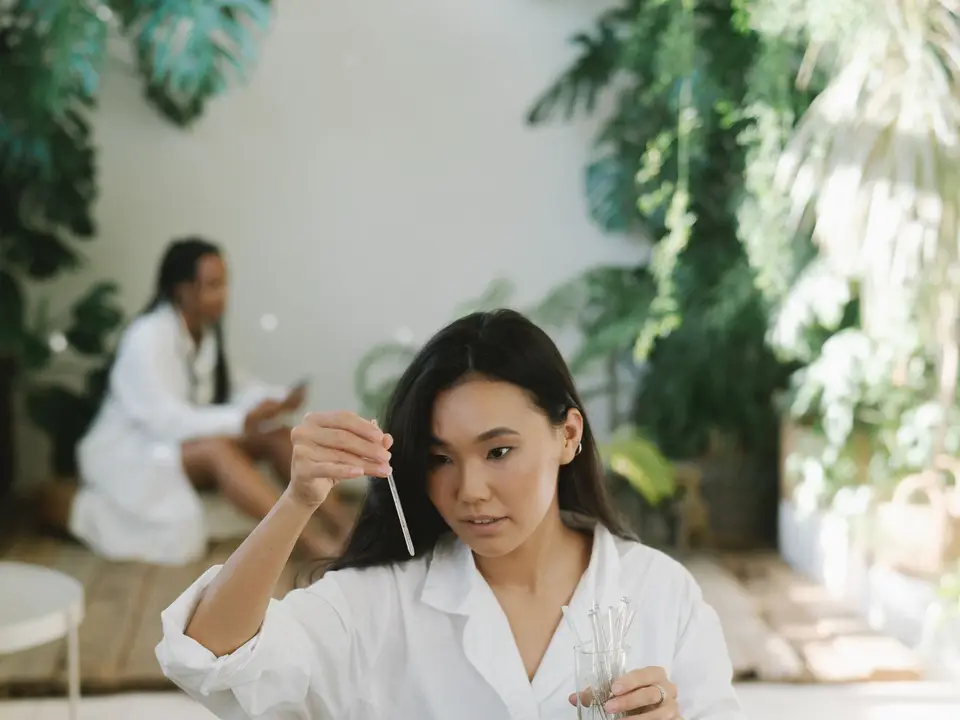
Environmental DNA lets us list the fish and crabs that passed through a bay from a single water sample. We are testing whether it can replace some of the diving surveys that are hard to run in winter.

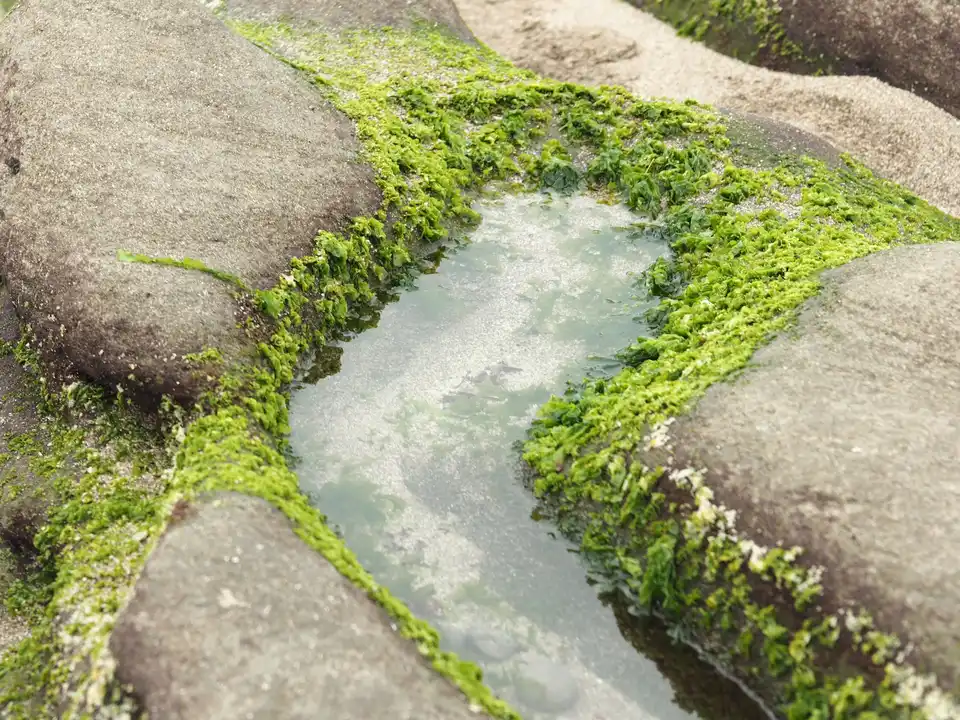
My first-year module spends six of its twelve weeks on the rocks at low tide. Students design one small survey each and present it to the harbour board at the end of term.
The short version of the CV. The full PDF lists every paper, grant and committee.
Lead the Seagrass Recovery Group of two postdocs and four PhD students. Teach first-year field ecology and a master's module on marine spatial planning.
Ran the long-term kelp monitoring transects and built the station's first open data portal for survey results.
Thesis on storm disturbance in intertidal mussel beds, supervised jointly with a fisheries agency.
Most of our data is collected at spring low tides, often before breakfast and usually in the rain.
“Aoife reads every draft within a week and always tells you which figure is the real result. I finished my thesis on time because of that.”
“She turned a decade of seabed maps into one page our board could vote on. We moved eleven moorings that winter.”
“Her eDNA protocol was the first one our divers trusted. We now run it at all three of our northern stations.”
Yes. Both places cover fees and a four-year stipend, plus a fieldwork budget for boat time and sequencing.
No. Most of our work is shore-based at low tide. If your project needs diving, the institute trains you.
Often. Several students are co-supervised with a harbour board, a council or a partner lab abroad.
A one-page CV and a paragraph on the coastal question you cannot stop thinking about. No full proposal yet.
Get in touch before the formal application opens. A short chat helps us shape a project around your interests and our partners' questions.
Students, collaborators and harbour staff are all welcome. I answer during term within a week, slower during field season.