Open data from day one
Every survey we publish comes with its raw counts, so a council officer can check our maths without emailing us.
My parents kept cattle on a farm that ran down to a sandy bay. I spent childhood summers counting crabs in rock pools, and I still keep the notebook. Ecology turned out to be a way of getting paid to keep counting.
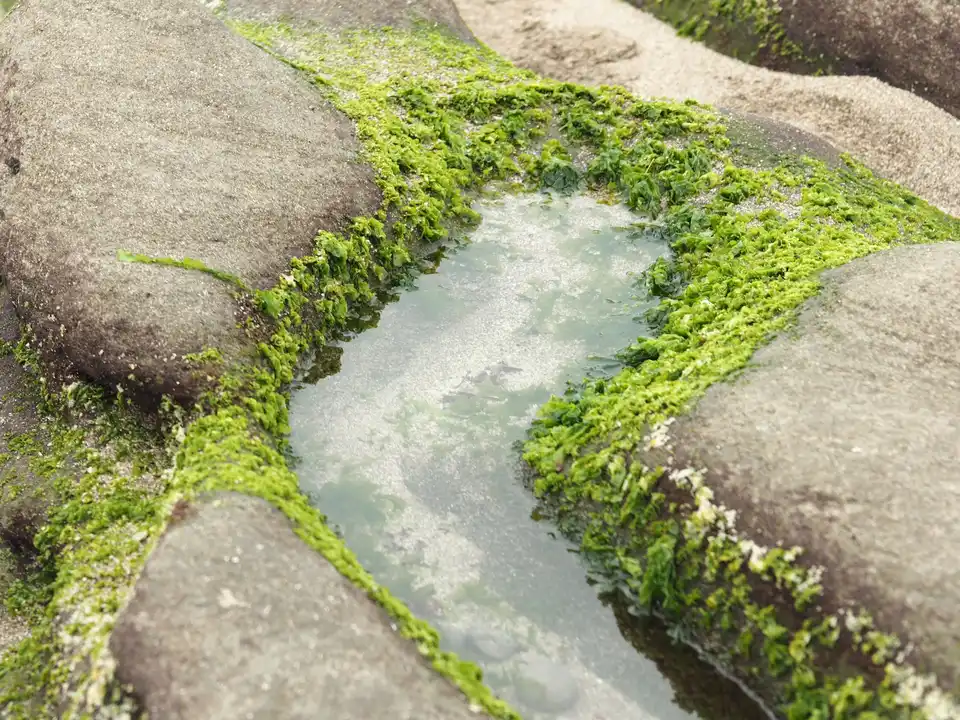
Small group, shared data, field days that everyone joins at least once a term.
Every survey we publish comes with its raw counts, so a council officer can check our maths without emailing us.
Harbour boards and fishing cooperatives sit in our project meetings from the first month, not just at the final report.
Nobody goes out on a falling tide alone, and nobody is expected in the water in November to prove a point.
Students lead the papers built on their fieldwork. My name goes last, where supervisors belong.
Advise on where restoration planting is worth the effort and where protection alone will do.
Run the spring low-tide walks for primary schools in three coastal parishes.
Wrote the ecology chapter on how moorings should be placed near protected meadows.
If you manage a harbour, a bay or a slipway and wonder what grows under it, I am glad to talk.