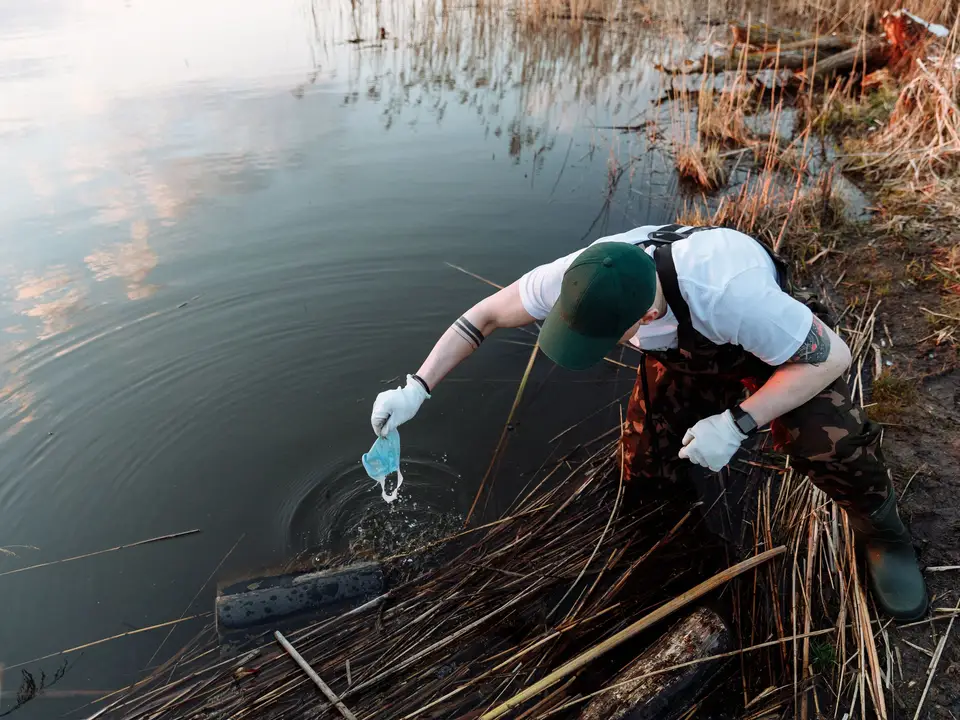
Riparian plantings
Crews plant native sycamore and willow in cattle crossings, and fence streams when grant dollars allow local contractors.
Clearwater Watershed Trust restores stream buffers, trains volunteer water samplers and buys conservation easements on steep farms above the French Broad River. Each monitoring kit includes a calibrated meter, a photo log of the sampling site and a plain-language report we mail to landowners when nitrate trends spike. Our field crew plants native sycamore and willow in cattle crossings, and we pay local contractors to fence out streams when grants allow. School groups adopt a half-mile reach for three years, and every classroom receives a map that shows where their data points land on the basin chart.

Clearwater Watershed Trust keeps program descriptions specific so donors know what each dollar buys and volunteers know which training to attend before their first shift.
Crews plant native sycamore and willow in cattle crossings, and fence streams when grant dollars allow local contractors.
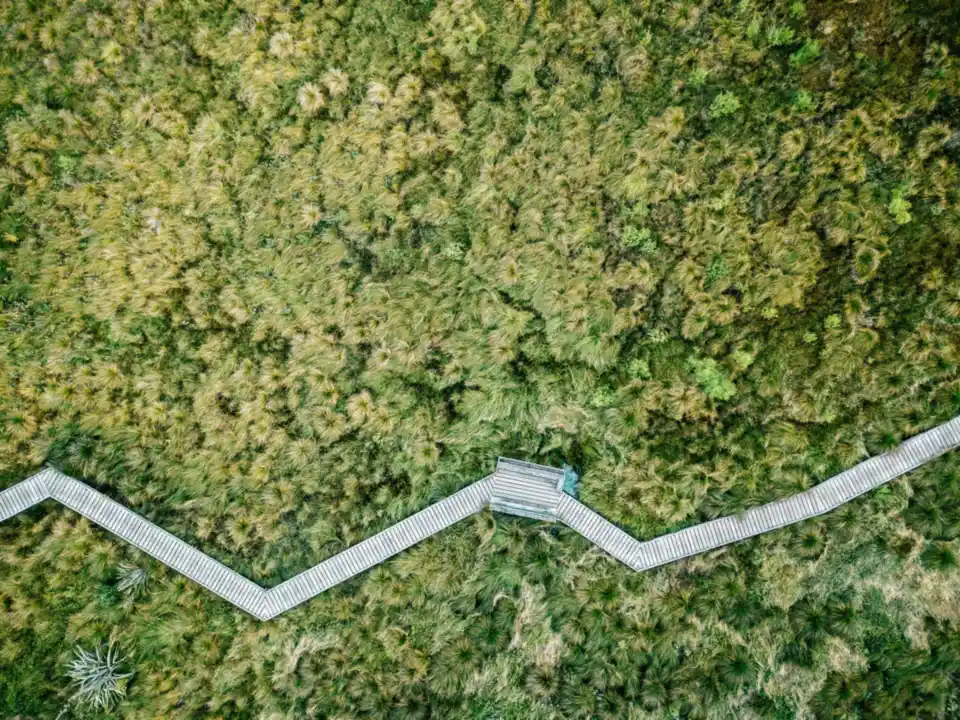
Volunteers borrow calibrated meters, photograph their site and mail nitrate trends to landowners when readings spike.
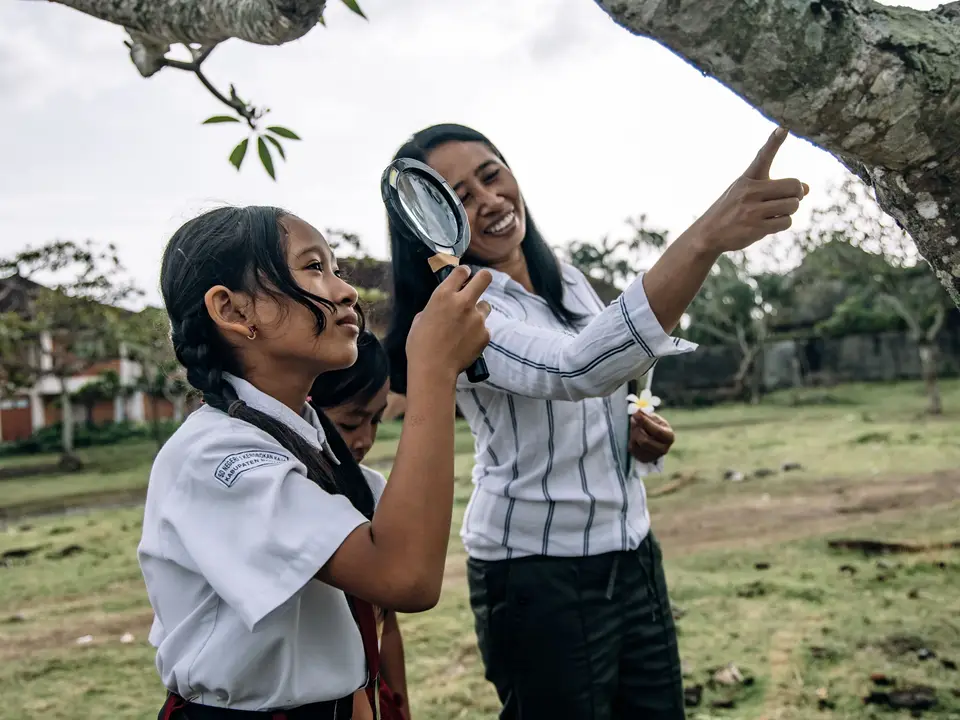
Clearwater purchases steep-farm easements above the French Broad and publishes maps showing protected acreage by township.
Clearwater Watershed Trust publishes dates and outcomes so partners can see when major grants landed and when programs expanded.
Three watershed groups merged monitoring data into one public dashboard.
A 42-acre dairy farm signed a permanent buffer easement after a nitrate spike alert.
Twelve classrooms began sampling half-mile reaches with mailed lab results.
Interpretive signs went up at three restored crossings with QR links to live data.
Stream plantings, volunteer sampling crews and easement walks along the French Broad basin.
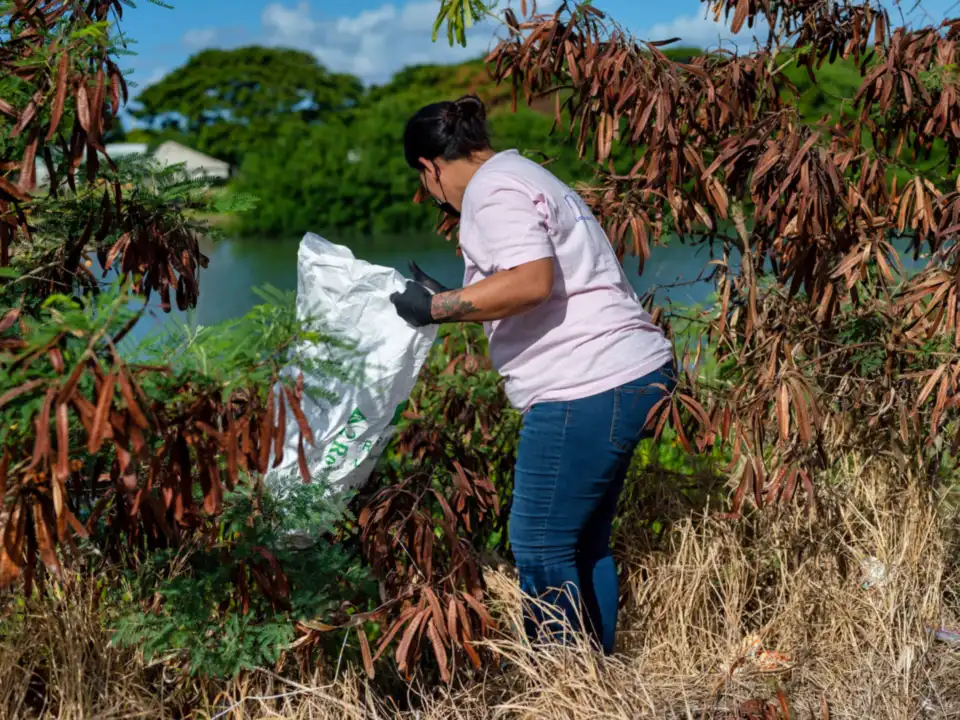

“Clearwater mailed nitrate trends with photos of our fence line—finally data I could show my county commissioner.”
“Our classroom adopted a half-mile reach; students still quote the sampling checklist two years later.”
“We funded tree gifts for my father’s memorial and received GPS pins once the saplings survived two seasons.”
Request a kit pickup at our Haywood Street office. Technicians calibrate meters and photo-log your sampling site during the opening appointment.
Gifts to Clearwater Watershed Trust are tax-deductible to the extent allowed by law for donors who itemize. Receipts include our EIN 56-1928475 and a link to download the IRS determination letter.
Boots and gloves are provided on work days. Corporate teams receive a safety briefing before entering the streambed.
Basin charts and nitrate trends are posted quarterly with GPS pins for classroom adopters and downstream neighbors.
Clearwater emails monitoring summaries and planting invites about twice a month.