The Quiet Handover
For nursing and ward teams. The story of a handover where everyone noticed something and nobody said it, and the two-sentence script that now opens every handover on my old unit. Forty-five minutes with questions.
I'm Nkechi Bello. I spent fourteen years in intensive care, the last six as a charge nurse on night shifts. Now I speak to hospital boards, nursing conferences and medical schools about speaking-up culture: why staff stay quiet, what it costs patients and the small habits that change it by next month.
Booking keynotes and workshops for the spring conference season.

Most organisers book three to six months ahead. This is the rhythm that keeps preparation calm and the talk sharp.
Send the date, city, audience size and whether it is a keynote or a workshop. I reply with availability and a hold that lasts fourteen days.
Thirty minutes with your organiser and, ideally, one frontline nurse or doctor from your trust. We agree the three habits people should leave with.
I replace generic ICU examples with stories from your specialty and strip anything that could identify a patient or colleague.
I arrive the evening before, test the clicker and mic, and meet whoever is chairing the first session.
Slides, a one-page facilitator note and links to the papers behind the statistics, sent within forty-eight hours.
Every talk ends with three habits people can try on their next shift, not a framework to file away.
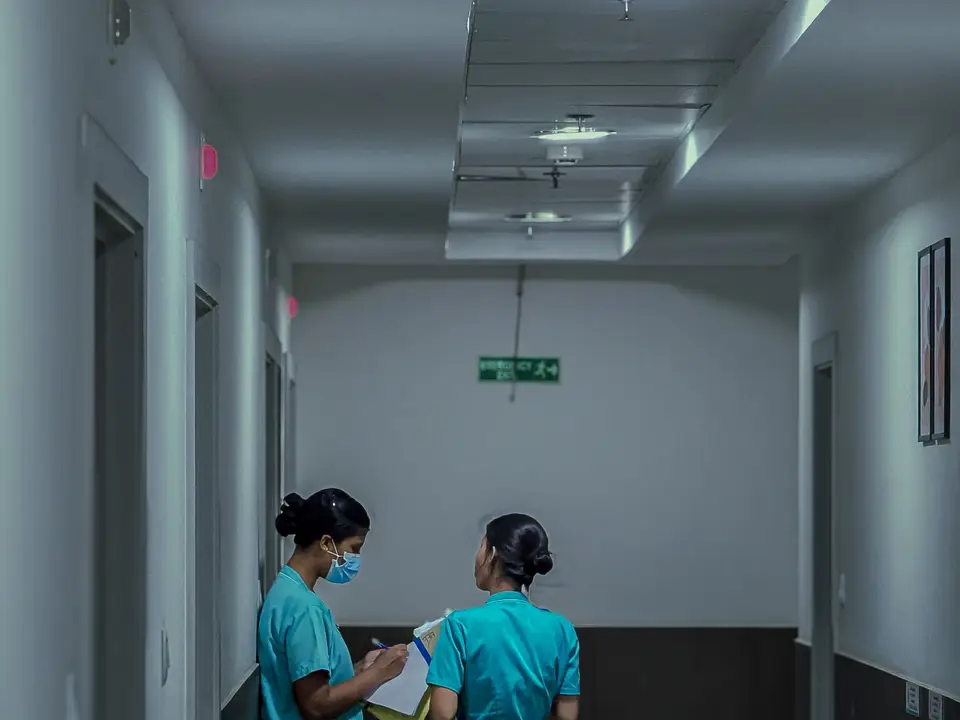
For nursing and ward teams. The story of a handover where everyone noticed something and nobody said it, and the two-sentence script that now opens every handover on my old unit. Forty-five minutes with questions.
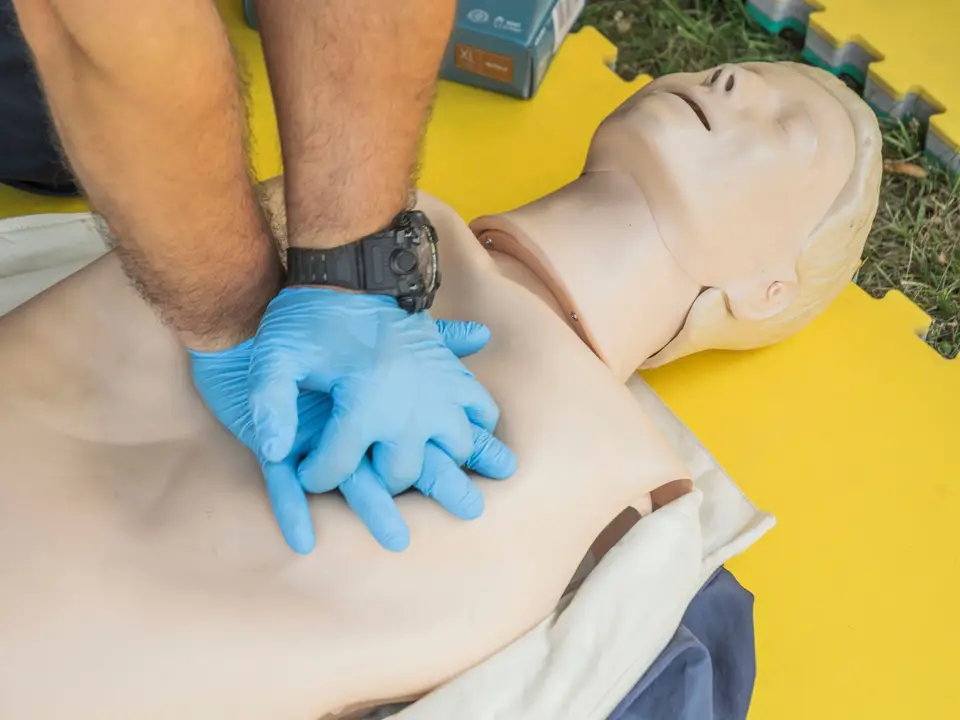
A workshop for simulation leads and educators. We run a short resuscitation scenario where the junior spots the error and practise how seniors can make that easy to say out loud. Ninety minutes, up to forty people.

For executives and non-executive directors. How incident data hides the near misses staff were too nervous to report, and what boards can ask on a ward walk to hear them. Sixty minutes.
“Six weeks after Nkechi's keynote our ward managers were still quoting her handover script. Incident reports from nights went up, which is what we wanted.”
“The simulation workshop was the first time I saw consultants practise being interrupted. Nobody checked their phone for ninety minutes.”
“She told the board a story about a missed drip rate and the room went silent. We changed how we run ward walks the next month.”
Fees include preparation, the briefing call and a follow-up resource pack. Travel within the UK is included; flights abroad are quoted separately.
One lecture or seminar for students and trainees.
£900per session
Any of the three talks for a conference or trust-wide event.
£3,500per session
Rehearsing the Worst Night with your simulation team.
£4,800per session
I do two bank shifts a month in critical care, which keeps the stories current and my registration active.
Yes. Porters, cleaners and ward clerks see a lot and are rarely asked. The Quiet Handover works well for whole-hospital audiences.
Yes. I hold four reduced-fee dates each year for nursing charities and student-led conferences.
A lectern or a lapel mic, a clicker and a glass of water. I bring my own laptop and a backup of the slides.
Dates in March and October go first. Send your date now and I will hold it while you confirm the budget.
Bookings handled by Northern Voices Speakers, Ancoats, Manchester
+1 (646) 555-0129