
Cardboard and OCC
Flattened, dry, no waxed produce boxes. We provide balers on lease for high-volume docks.
CircleSort Recycling operates a dual-stream MRF for Pierce County businesses and campuses. We publish monthly diversion rates by material, photograph contamination we reject and train your dock crew with short videos. Trucks are weighed in and out; you receive a tonnage report your sustainability team can paste into annual disclosures. Account managers review spikes with you instead of sending surprise surcharges, and every load keeps a photo on file if a vendor questions weights.
ISO 14001 environmental management certified facility.

Posters, pocket cards and QR training for your team.
Flattened, dry, no waxed produce boxes. We provide balers on lease for high-volume docks.
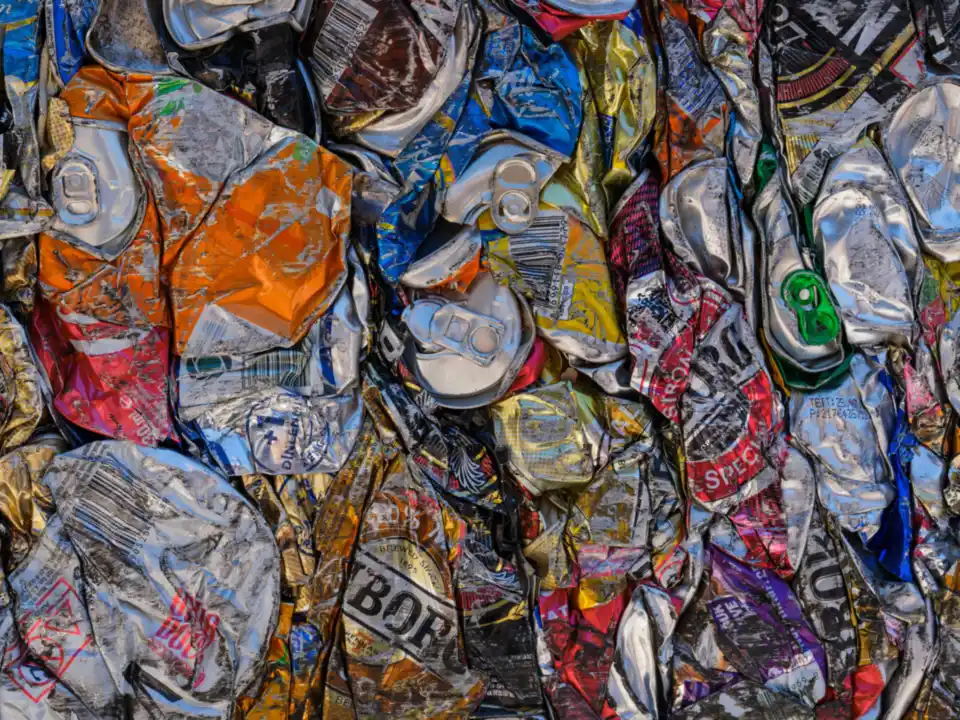
Tin, aluminum and #1-#7 tubs with resin codes verified monthly in our lab.
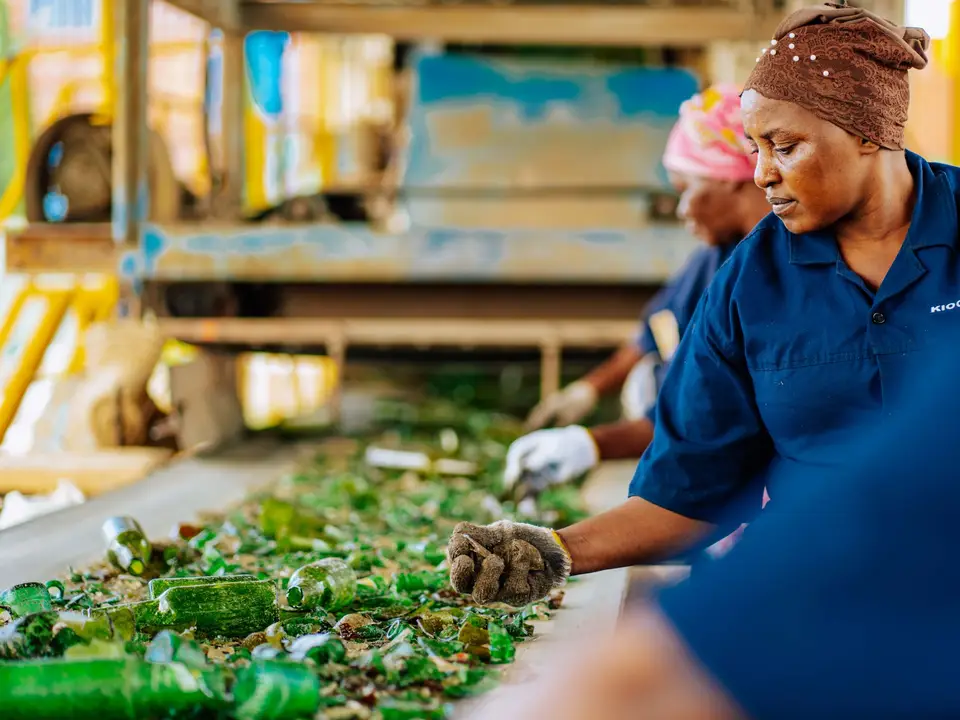
Purple bin program for food service; we crush and sell to bottle manufacturers in-state.
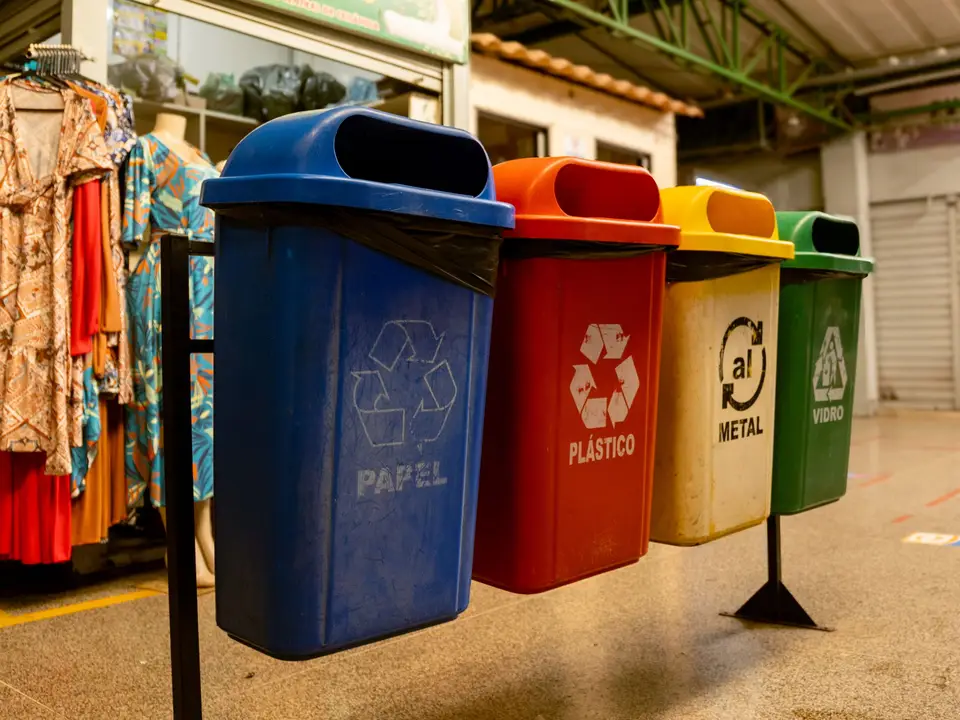
We run 20-minute trainings at your loading bay with pocket cards and QR videos.
Every load is photographed at the tip floor for contamination disputes. Your account manager receives a link within an hour if we flag film, food waste or sharps.
Floor crew removes film and textiles before the line. Cardboard is pulled to a dedicated baler so mills see clean OCC with moisture under twelve percent.
Plastics sorted by resin; paper grades separated for mill specs. Manual pickers handle black plastics and odd shapes the optical sorter misses on the first pass.
Bales tagged with weight, moisture and buyer ID. Random core samples are logged so buyers can trace a bale back to your dock if a quality question comes up.
“Monthly report plugs into our ESG deck without rework. Photos of rejected loads helped us fix the cafeteria.”
“Training videos cut our film contamination in half in one quarter.”
“Trucks always tare in front of our cameras. Disputes dropped to near zero.”
Routing reviews tonnage, dock hours and material mix before assigning a truck.
Safety vests provided. Great for student groups and new hires. Tours run Tuesday and Thursday mornings and end on the observation deck above the optical sorter.
Light grease is fine; waxed produce boxes belong in refuse. We send photos when a load is rejected.
Most accounts run two to five times per week. We adjust when your dock fills faster during promotions.
Yes. Reports break out cardboard, metals, glass and landfill by weight with year-over-year charts.
Ultrasonic sensors alert us when compactors are 80 percent full so you are not paying for half-empty hauls.
Closed-toe shoes required. We provide vests, glasses and hearing protection on the sort floor.