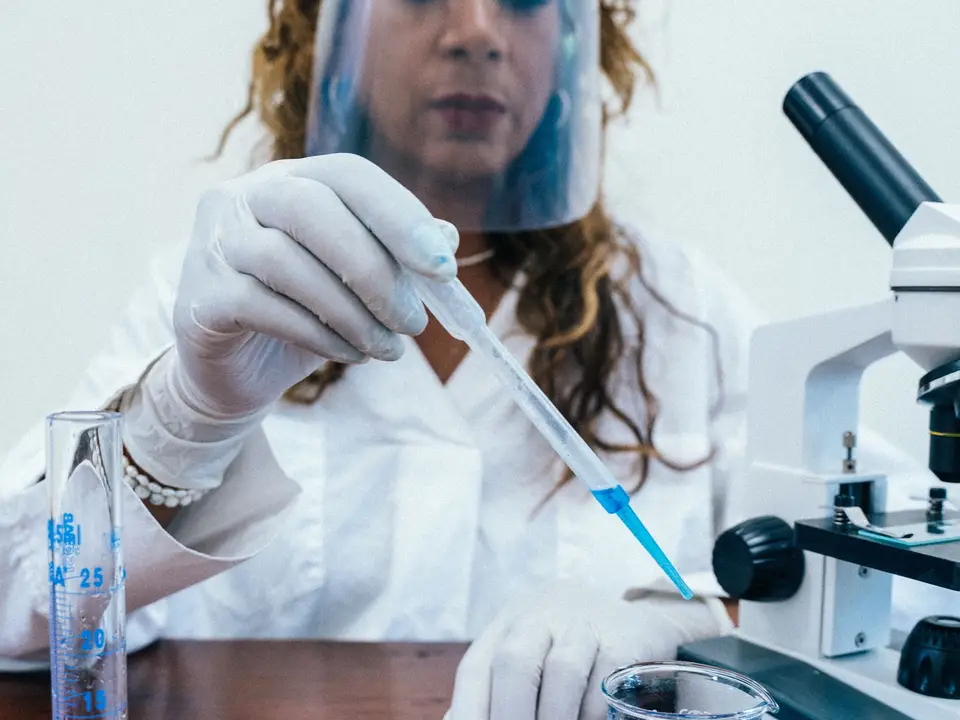
Write it once, run it forever
Procedures live as living documents. Change a centrifuge speed and every future run picks it up, while old runs keep the value they were done with.
Pipette is a protocol notebook for bench scientists. Write a procedure the way you would explain it to a new postdoc, run it from your phone with a timer for every incubation, and let the notebook record what actually happened, down to the lot number of the buffer. When a result will not reproduce, you will know which step drifted.
Free for academic labs. Biotech teams get a thirty-day trial of every feature.
pipette.app / protocols / elisa-plate-v3

Step 4 of 11, incubate at 37 degrees for 45 minutes
We spent two years standing next to scientists while they worked and noting every time they walked to a computer.
Procedures live as living documents. Change a centrifuge speed and every future run picks it up, while old runs keep the value they were done with.
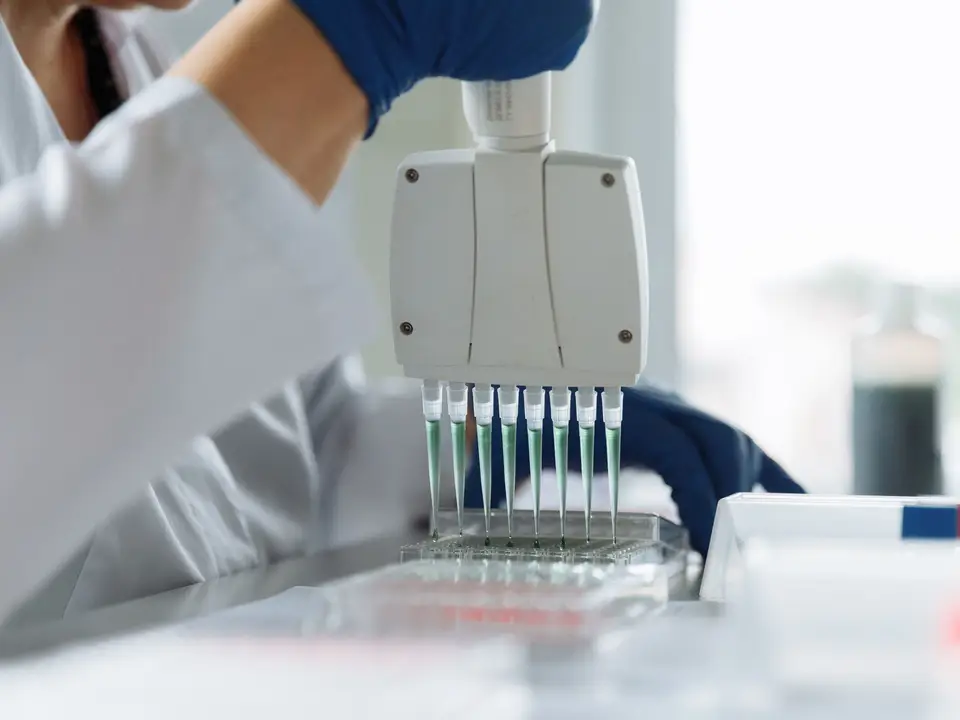
Start an incubation from your phone and the timer carries the step name, so a buzzing pocket tells you exactly what to pull out of the heat block.
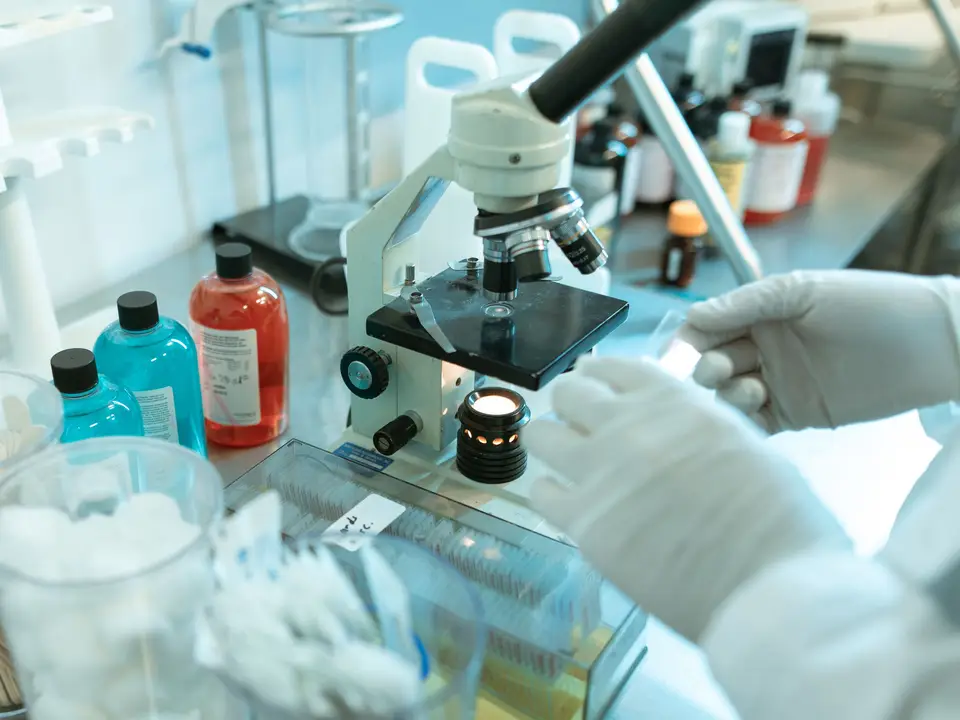
Scan the barcode on a bottle and Pipette attaches the lot, the opening date and the freezer it came from to every result that used it.
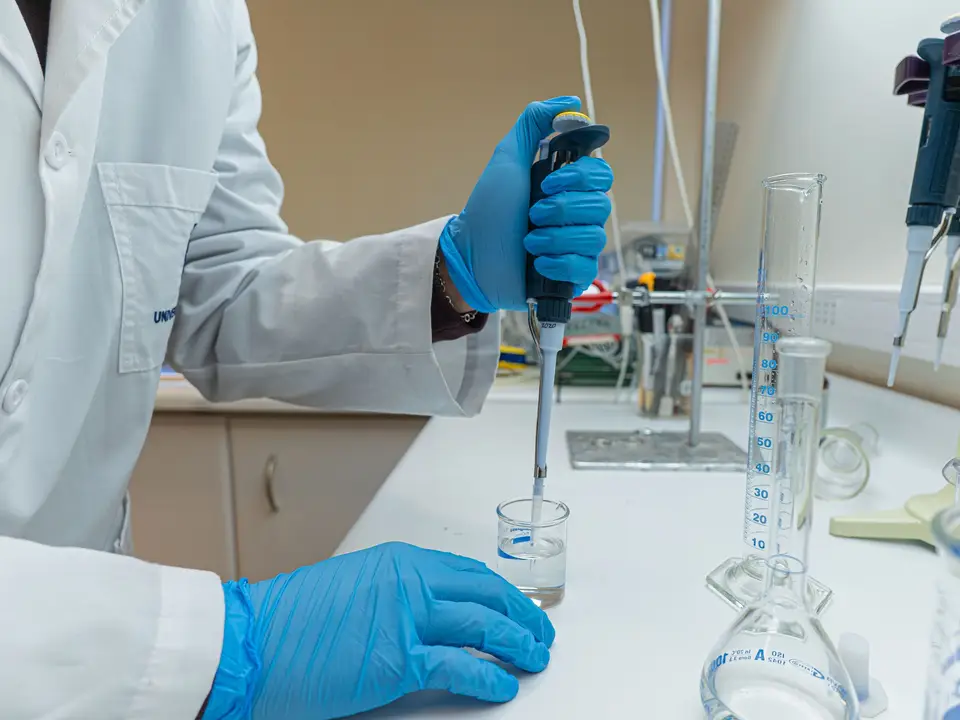
Paste a plate reader export and watch it fall into the wells you filled, with outliers flagged before you send an email about them.

When a student leaves, their procedures stay readable, searchable and attached to the people who ran them.

Every edit is signed and time-stamped, so a reviewer, an inspector or a curious advisor can follow what changed and why.
Leave your email and we send one reminder on launch morning with a direct link to support us and unlock your perk. Share your link with a lab mate and both of you move up the reward list.
We are keeping it simple and posting everything in public, so you can follow along from the bench.
We publish the listing, switch on the launch perk and answer the first comments from the night-shift crowd.
Both founders stay in the thread all morning, answering questions about reproducibility, plate formats and pricing.
We build an ELISA procedure from scratch on a public stream so you can see the timers and lot tracking at work.
Supporters who joined the list before launch receive their year of the Lab plan by email within the hour.
A write-up of the feedback we received and the three requests we are building first lands in your inbox.
“Our ELISA used to live in four slightly different versions on four different laptops. Now there is one, and it has a history.”
“I asked a first-year student to run a procedure I wrote at midnight. She finished it without a single message to me. That never happened before.”
“Lot tracking alone paid for the afternoon we spent setting up. When a vendor recalled a buffer, we knew within minutes which runs it touched.”
It was built for bench work, but computational biologists and clinical teams use the timer and run history for any procedure that has steps and measurements.
Data is encrypted in transit and at rest, stored in your chosen region, and exportable to plain files whenever you want to leave.
Paste text, upload a document or drop in a photograph of a binder page. Pipette turns it into steps that you review before saving.
Academic labs stay free for up to eight members. The Lab plan is twelve dollars per person each month and includes lot tracking and audit trails.
Timers and step lists work offline. Results sync as soon as you are back on the network.
Ask us anything, tell us what to build next, or just upvote if a cleaner bench sounds good to you.
Running a group of more than five people? Tell us about your work and we will import your first three protocols for free before you commit.