
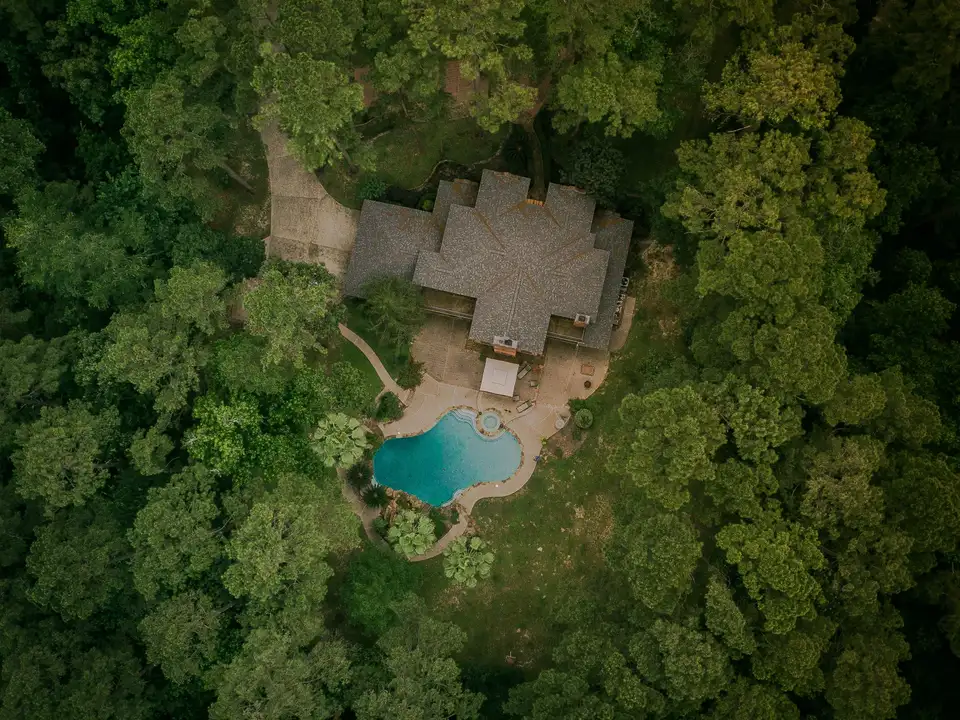
Garden and bed design
Layered plantings that bloom from March to November, drawn on paper first and installed with soil amended to twelve inches.
Meadowline Landscapes designs, builds and maintains gardens, patios and lawns across Mecklenburg and Union counties. We amend the clay, choose plants that survive a Piedmont summer, and keep the water bill off the front page.
Licensed and insured · design consults credited toward installs over $5,000.
Charlotte landscape credentials
Piedmont clay holds water in the winter and bakes in the summer. These are the services we build around that fact.
Layered plantings that bloom from March to November, drawn on paper first and installed with soil amended to twelve inches.
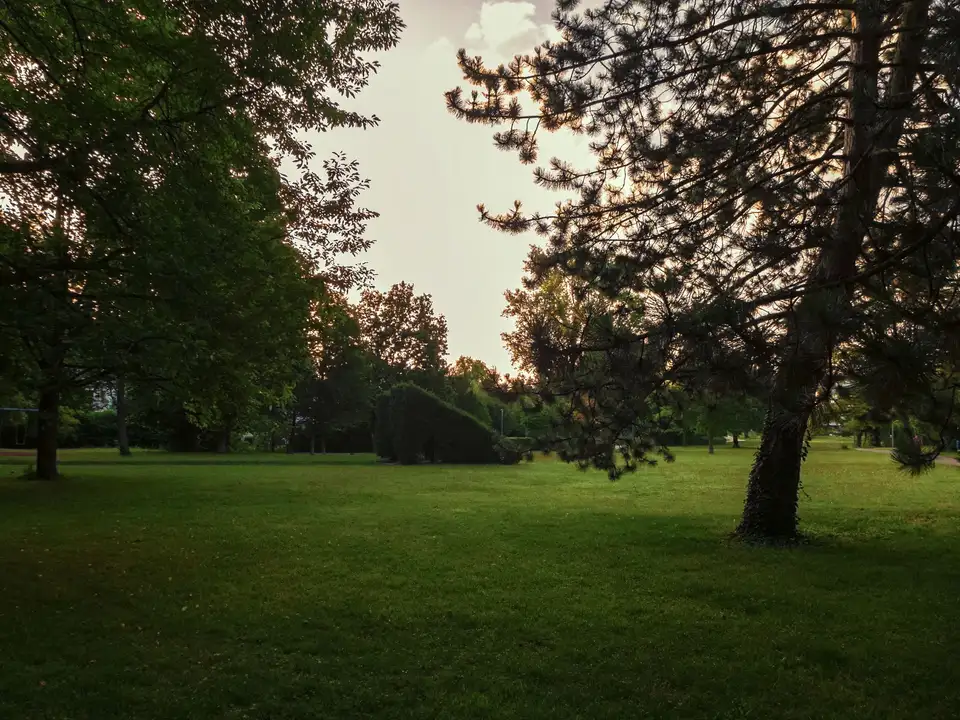
Compacted base, pitched drainage and permeable options where the stormwater rules require them. Our paver crews hold ICPI credentials.
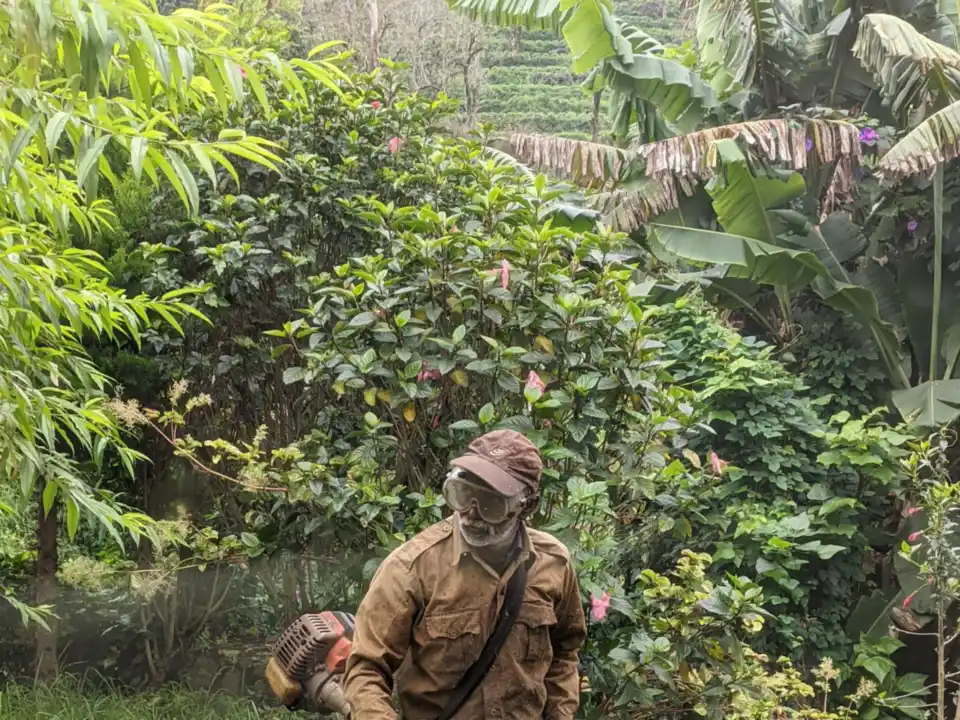
Zones sized to the plants, a weather-aware controller and a spring start-up so you are not watering the sidewalk.

Willow oaks, crape myrtles and understory trees planted high in the clay so roots do not drown, then staked and mulched correctly.

Core aeration, overseeding in fall for fescue lawns, and warm-season sod where Bermuda or zoysia will thrive.
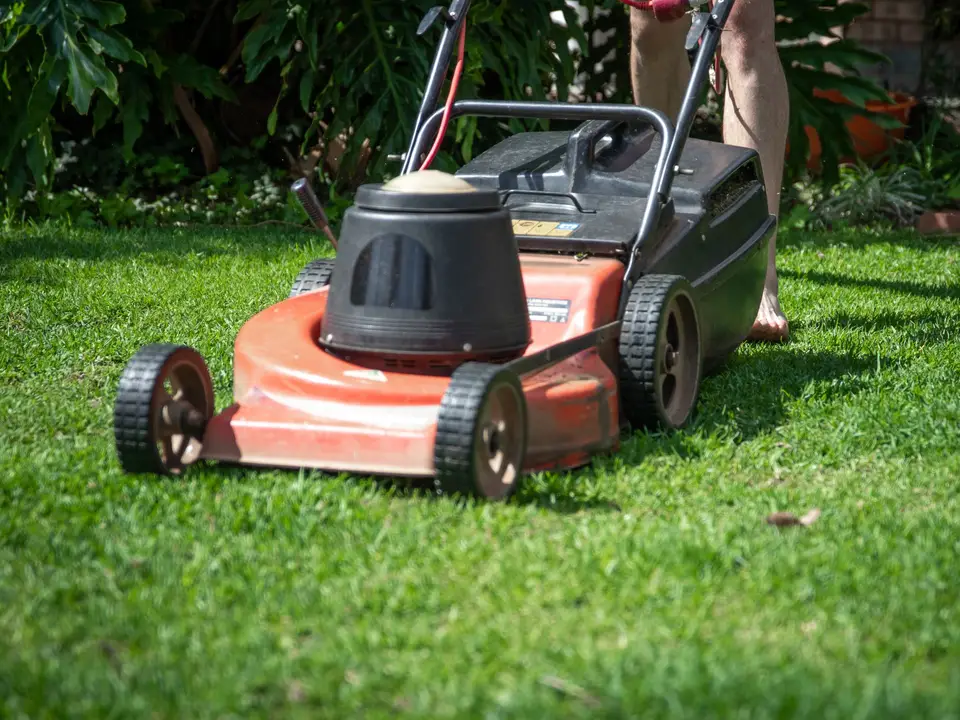
Low-voltage path, uplight and deck fixtures on a timer, aimed so you see the plants and not the bulbs.
Filter by the problem you are solving, save the ones you like, and bring the list to your consult.
6 palettes

Purple coneflower, black-eyed Susan, little bluestem and bee balm in drifts. Mulch once, water weekly the first summer, then step back and watch the goldfinches.
Lavender, sedum, yucca and Texas sage in a gravel mulch that reflects less heat and drains the clay. Drip lines run underneath and need adjusting only twice a year.
A bluestone pad, seat wall and evergreen holly hedge that screens the neighbors. Includes low-voltage lighting and an outlet for string lights.
A shallow basin planted with swamp milkweed, sedges and blue flag iris that drinks storm runoff in a day instead of leaving it to the lawn.
Christmas fern, wild ginger, hellebore and foamflower in a bed of leaf mulch. Roots stay undisturbed because we plant by hand, not by trencher.
Cedar beds filled with compost-rich soil, a rosemary hedge and blueberries in containers beside the grill. Irrigation uses a single, simple drip loop.
Charlotte lawns grow from April to October, and the work shifts with the months. Prices cover a typical quarter-acre lot.
Weekly mowing from April to October, edging and blow-off on every visit.
$1,260 / season
Mowing plus fertilization, weed control, core aeration and a fall overseed.
$1,980 / season
Lawn care plus beds, pruning, mulch, irrigation checks and seasonal color.
$4,650 / season
“We had a mud pit after every rain. The rain garden took two days to build and we have not had standing water since.”
“They showed up with soil tests and a hand trowel before they talked about plants. That is how I knew they were not going to waste my money.”
“Our water bill dropped by a third and the lawn looks better than it did on a daily sprinkler.”
Illustrative quotes from fictional homeowners.
Fall is our favorite: soil is warm, rain is steady and roots establish before summer. Spring works if the plants get consistent water through July.
Yes. We pull what we can, cut and treat stumps, and replace them with natives that fill the gaps before the invaders return.
We use permeable pavers, rain gardens and graded swales where the county requires, and file the paperwork for projects that disturb a quarter acre or more.
Most HOAs want a plan with plant lists and photos. We prepare the submission and wait for approval before we order anything.
Trees and shrubs we plant are replaced once within twelve months if they die, as long as the irrigation we set up has been left running.
We bring soil probes, a sun meter and a roll of tracing paper. You bring the list of what bugs you.
A designer will call to confirm a time and ask a few follow-up questions about drainage and sun.