
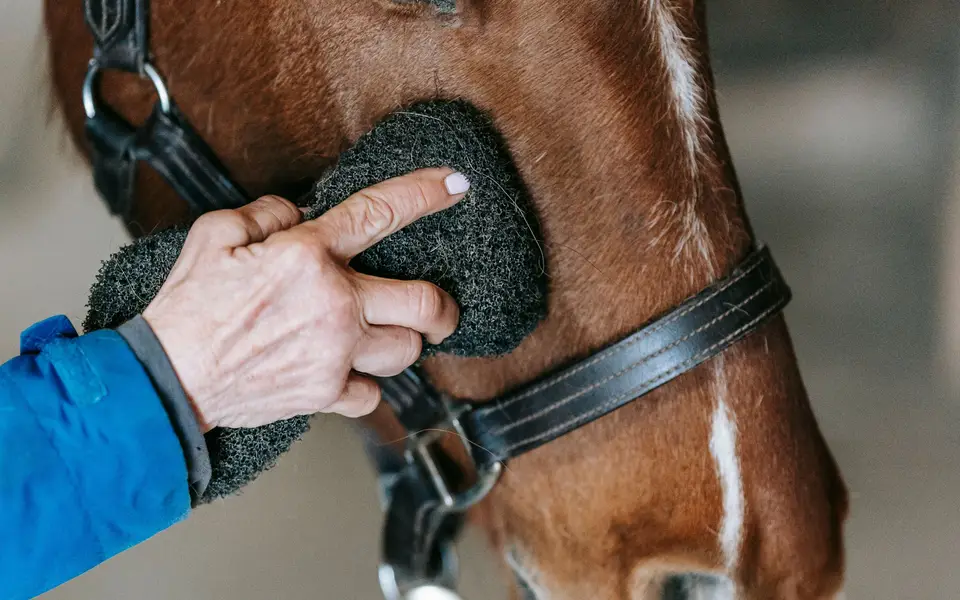
Daily grooming and hoof care
Every horse is groomed, picked out and checked for heat, swelling and loose shoes each day. Our farrier trims and shoes on a six-week cycle and adjusts it to the season.
Ironbark Equine Care Centre sits on forty acres of rolling pasture outside Bowral. Our vets, farrier and riders work under one roof, so a horse in livery, rehab or training has one team who knows its history, its stride and its idea of a good paddock.
A vet is on site every weekday morning and on call through the night.
Horses arrive for many reasons: a holiday, a rehabilitation programme or a schooling block. Whichever it is, they receive the same standard of attention.
Every horse is groomed, picked out and checked for heat, swelling and loose shoes each day. Our farrier trims and shoes on a six-week cycle and adjusts it to the season.
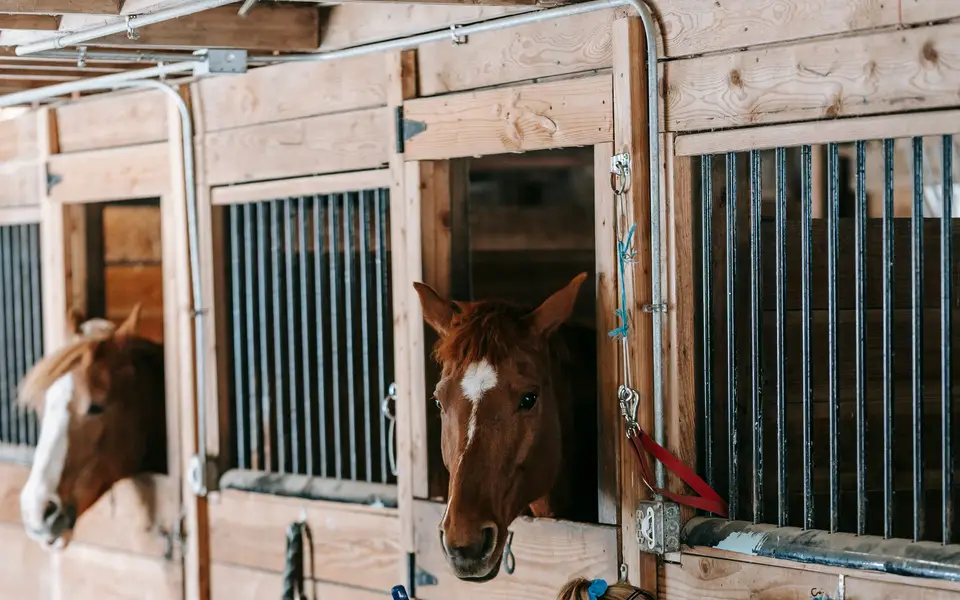
Feeding, mucking out, turnout and rugging by trained staff, or share the work and keep costs down. Hay is grown on our own paddocks and tested for quality.
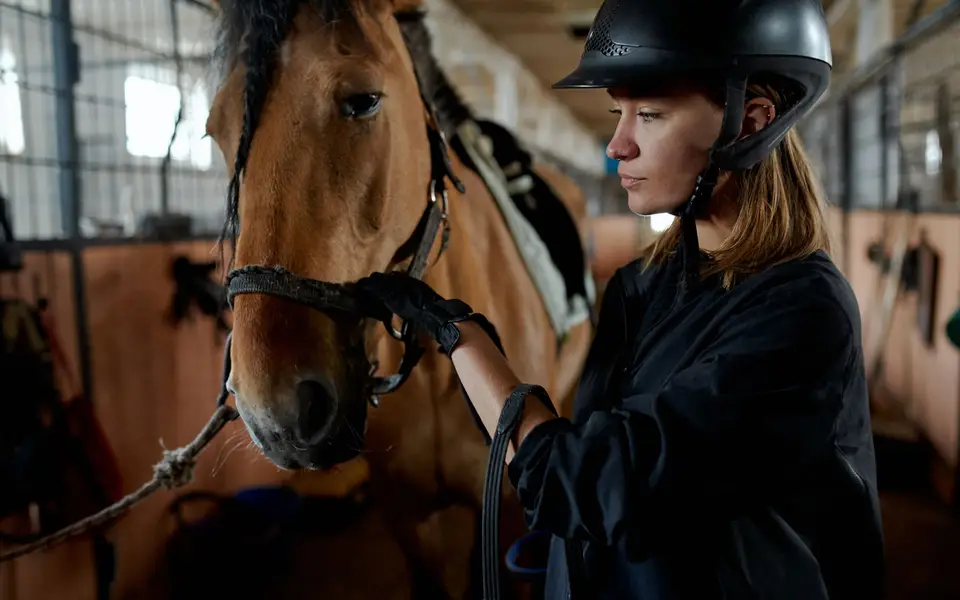
Tendon, joint and post-surgery programmes designed by our vets with a physiotherapist, using controlled walking, water treadmill sessions and ground work.
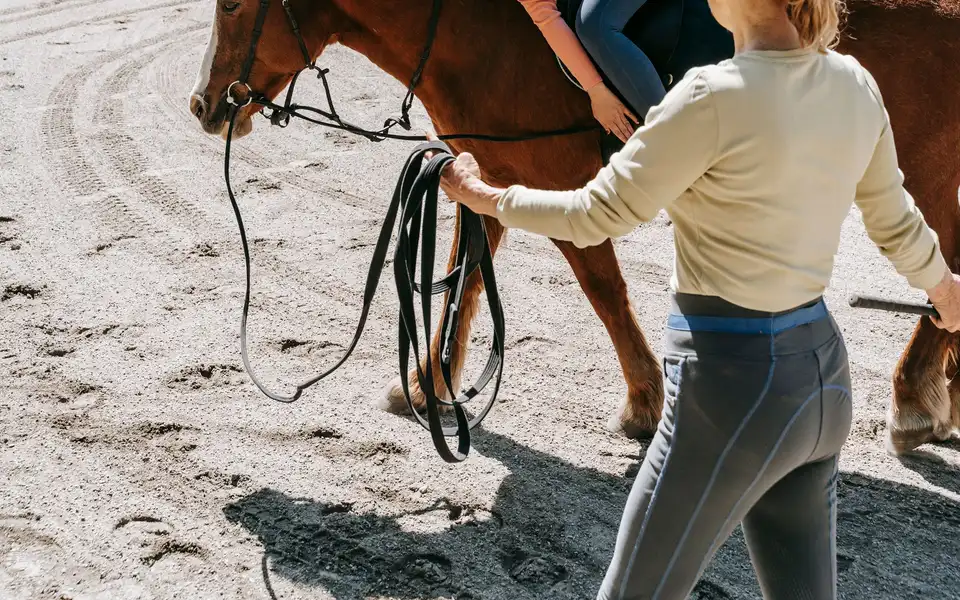
Qualified instructors teach children and adults on our steady school horses, and coaches work with your own horse on flatwork, jumping and trail confidence.
A horse in full livery keeps a steady routine, with a few additions depending on its needs.
Hay and feed at dawn, turnout in small, compatible groups, and a final walk through every stable at dusk.
The vet walks the stables, checks any horse of concern and reviews rehabilitation plans with the team.
Trims, shoes and corrective work, with our farrier explaining each choice to owners who attend.
Group lessons in the morning arena, followed by an afternoon trail ride through the property's eucalyptus bush.
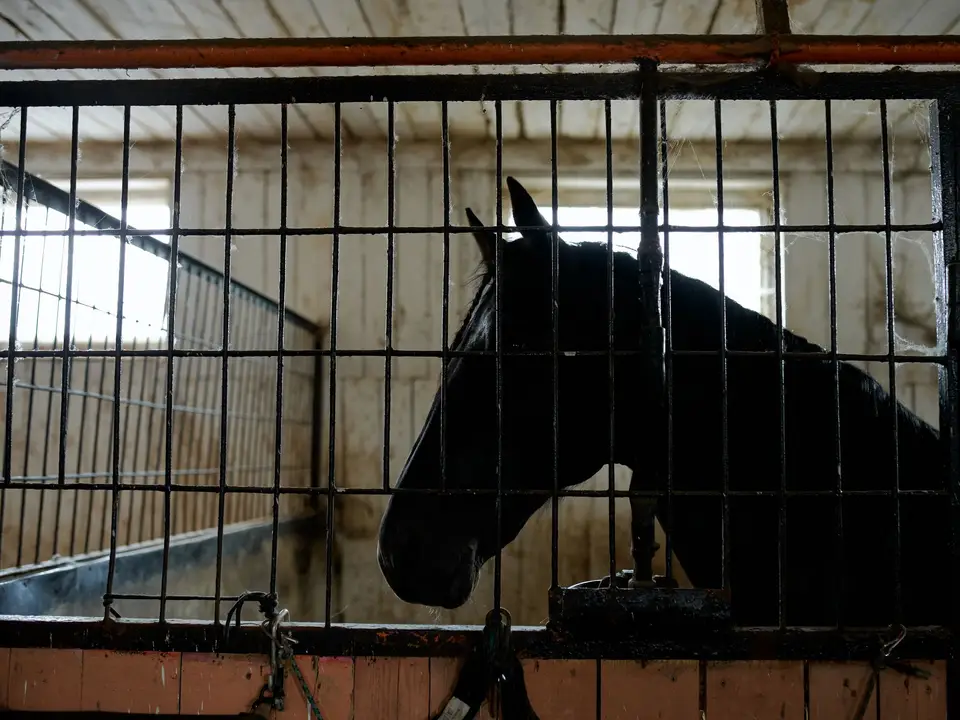
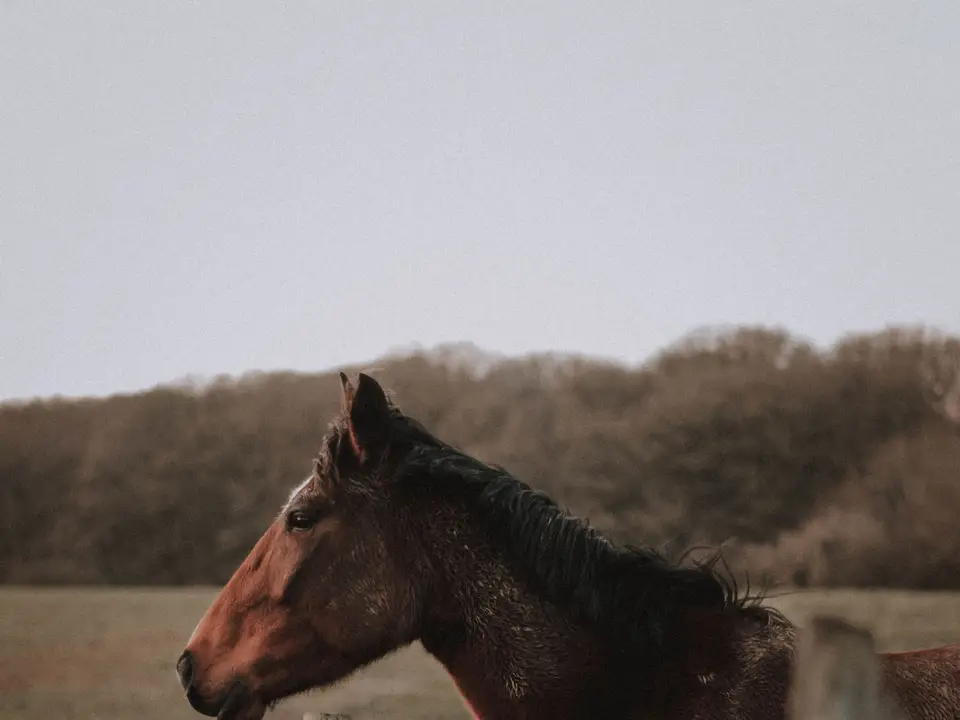
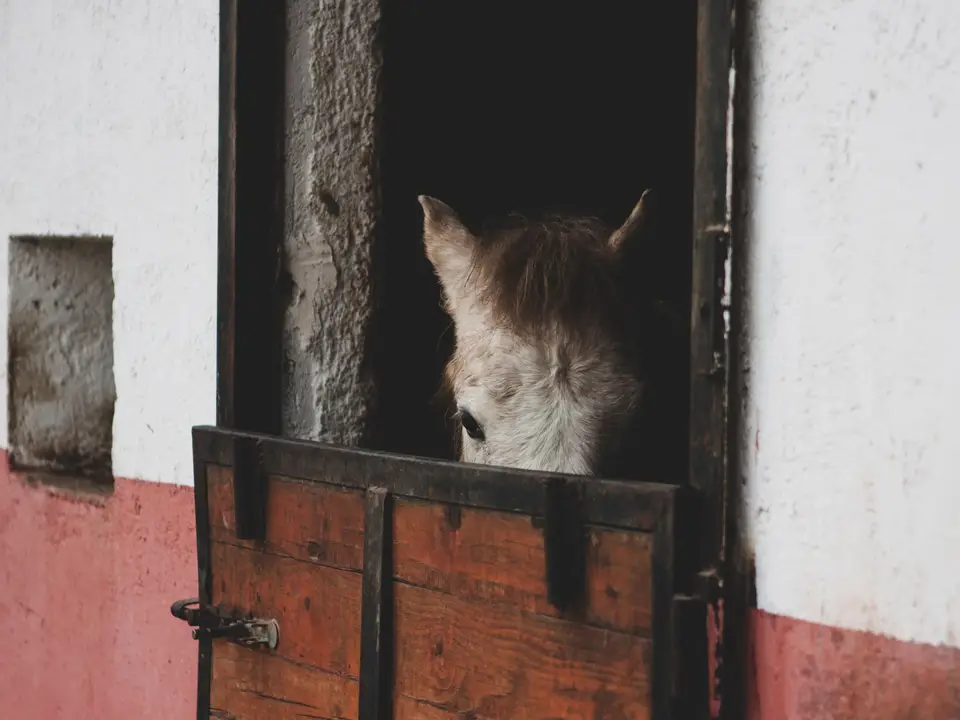
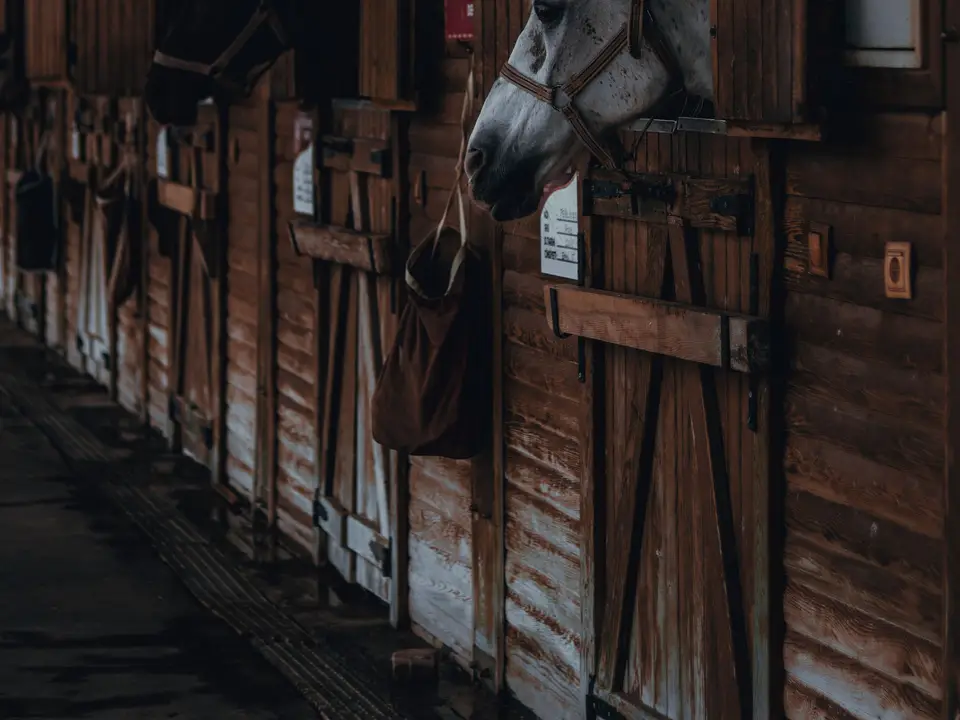
A few corners of the yard, the stables and the paddocks.
Prices are weekly unless noted, in Australian dollars, and include GST.
| Full livery | Stable, feeding, turnout, rugging, daily grooming | 295 AUD |
|---|---|---|
| Part livery | Stable, hay and turnout; owner does daily care | 215 AUD |
| Paddock board | Shared paddock, shelter and water | 95 AUD |
| Rehabilitation programme | Stable, vet plan, physio and handwalking | 420 AUD |
| Farrier trim (per visit) | Trim and balance, four feet | 75 AUD |
| Private lesson (per hour) | Instructor and school horse | 85 AUD |
“My mare came in lame with a torn suspensory ligament. Six months later she is jumping a metre. The vet and the farrier talked to each other every single week.”
“I work in Sydney, so I need to trust the people looking after my horse. The daily photo and the honest notes mean I never lie awake wondering.”
“My daughter started on their shaggy little pony. She has since learned to groom, tack up and fall off gracefully. The instructors are patient to the very end.”
Yes, between 7 am and 6 pm every day. Please call ahead if you plan to bring guests so we can meet you at the gate.
Tetanus and Hendra vaccines must be current. Our vets can give the shots on arrival if your certificates are out of date.
We accept geldings, mares, ponies and miniatures. Stallions are considered on a case-by-case basis and live in a separate yard.
Staff observe a new horse for a week, then introduce it to compatible companions over the fence line before sharing a paddock.
Share their age, history and what you hope for. A member of the team will call within one working day to arrange a visit.